


Personal Contract Hire (PCH) finance guide
Personal Contract Hire (PCH) is a type of vehicle finance offered by Mon Motors. Let’s explain more about PCH, and how a typical PCH finance deal works.
Mon Motors PCH deals
What is Personal Contract Hire (PCH)?
Personal Contract Hire (PCH) might sound very similar to Personal Contract Purchase (PCP) but there’s a clear difference between these two finance products. It’s important to understand that difference. One isn’t better than the other; they just offer different solutions to buying and driving a new car or van.
Unlike PCP, with PCH there’s no purchase option. So, while you might think of agreeing to a PCH plan as a way to buy a new car, it’s not, it’s a leasing plan only. It’s a popular option for customers who want to be able to drive a brand new model on loan for a few years without making the investment to buy it.
With a PCH deal, you pay an initial rental, followed by monthly payments over an agreed length. Monthly payments with PCH tend to be lower compared to a plan like Hire Purchase (HP) because you’re not paying off the total value of the car. PCH is typically only available on new vehicles, not used models.
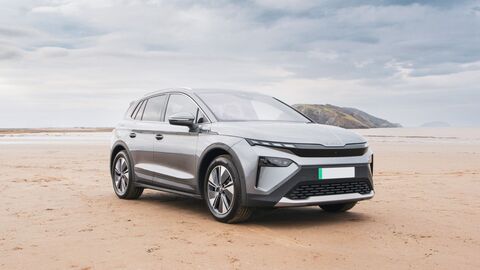
Understanding Personal Contract Hire
How does PCH finance work?

A PCH agreement is a simple finance product. It works by paying an initial rental, which might also be called an initial deposit. The initial rental is typically 3, 6 or 9x the monthly payment in the agreement, and not just an amount to be negotiated.
The initial rental is followed by fixed monthly payments for the duration of the agreement.
How long a PCH contract runs for is usually decided by the customer after discussion with the dealership; it depends how long you want the new car for, and how much you’re prepared to pay every month.
A typical PCH agreement is between two and four years (24 to 48 months), but can be up to 5 years (60 months).
A PCH contract includes an annual mileage limit, which can be set to suit your needs. This might be 8,000, 10,000 miles per year, or another agreed figure. Any mileage over the limit will incur an excess mileage charge, as detailed in your agreement.
Some PCH agreements offer tiered maintenance packages, which may include servicing only, servicing and maintenance, or servicing, maintenance and tyres, all for an additional monthly cost.
What to expect when your PCH agreement ends
What happens at the end of a PCH agreement?

At the end of a PCH finance agreement, you simply return the car. The lease period has concluded, and you’re free to look at acquiring a new car, whether that’s by another PCH deal or other means, such as PCP or HP.
There are some considerations when you return the car. One is if you’ve clocked up more miles than stated in the terms of the agreement, you will be liable to pay the excess mileage charge agreed at the start in your agreement. The other is any maintenance that might be required if you did not have this included in your plan.
A PCH agreement usually requires the driver to ensure the vehicle is in the same condition as when it was leased so any potential repairs will need to be paid for before returning it.
The car will be subject to a fair wear and tear assessment by the finance company when it’s returned. Minor cosmetic issues, such as small smart repairs, may not incur a penalty, but more significant damage could result in additional charges.